
Your cart is currently empty!

CGC vs CBCS: Which Comic Grading Service is Best for You?
By

.
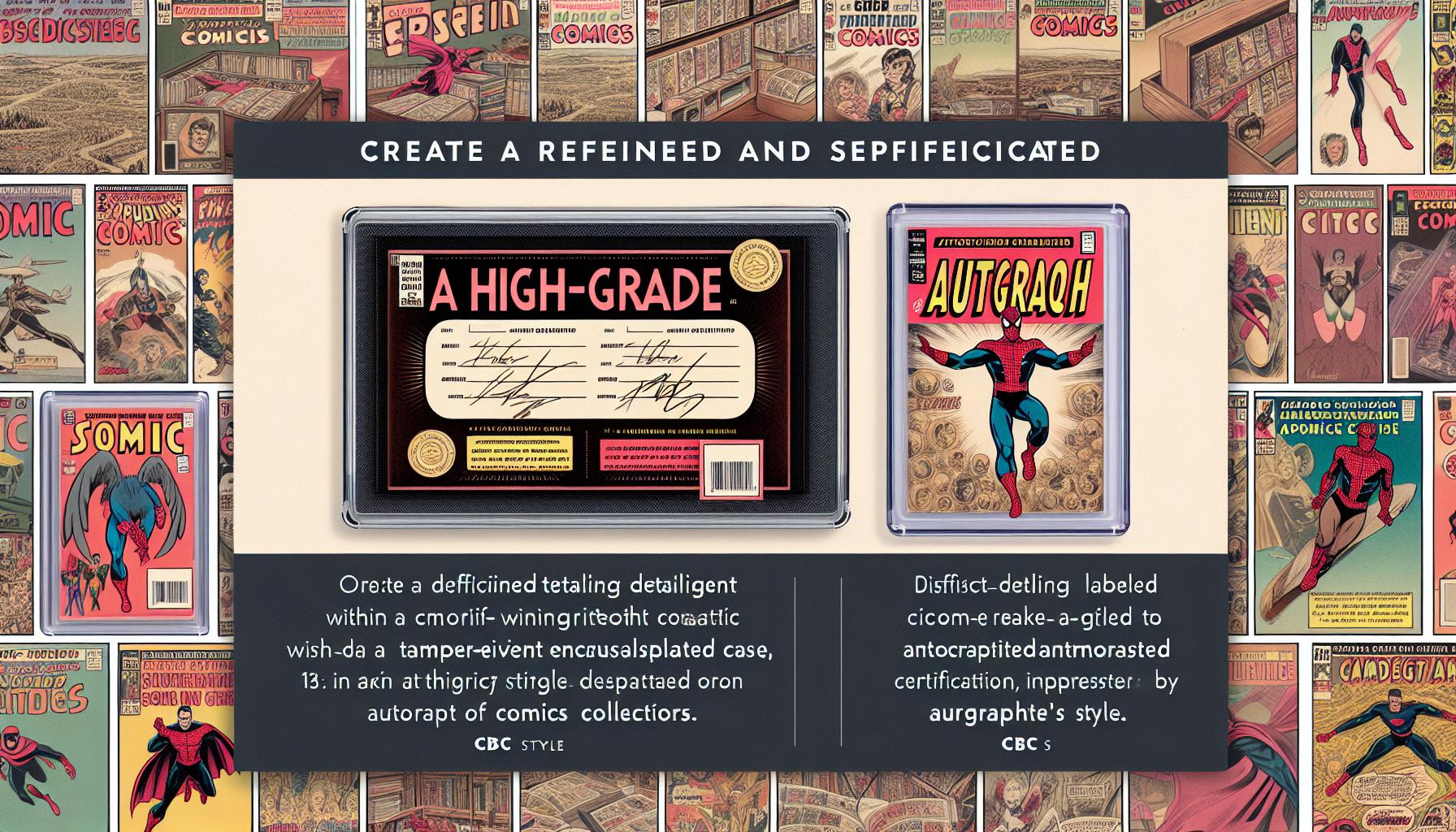
If you’re a comic book enthusiast like me, you’ve probably wondered about the best way to preserve and authenticate your prized collection. Two major players dominate the comic grading industry: CGC (Certified Guaranty Company) and CBCS (Comic Book Certification Service). Each offers unique advantages and has its own loyal following, but which one should you trust with your valuable comics?
In this article, I’ll break down the key differences between CGC and CBCS, from grading accuracy to resale value. Whether you’re new to comic book collecting or looking to make informed decisions about your existing collection, understanding these differences can make all the difference. For those interested in purchasing and adding to their comic book collecting, check out our store.
Overview of CGC and CBCS
Having collected over 30,000 comics over the years, I’ve come to understand the importance of proper grading. For both new and seasoned collectors, CGC and CBCS are key players. But which one should you trust with your precious collection?
CGC (Certified Guaranty Company)
Established in 2000, CGC quickly became a cornerstone in the comic grading world. They boast a standardized 10-point grading scale. Comics graded by CGC often carry a higher resale value, which significantly benefits sellers.
- Grading Process: CGC employs multiple graders for each comic, ensuring consistency. Encapsulation features a tamper-evident holder, which protects the comic.
- Turnaround Time: While CGC’s services can be fast, their popularity sometimes means longer wait times.
- Resale Value: Collectors often prefer CGC-graded comics. For instance, a CGC 9.8 rated comic typically sells for higher than a CBCS 9.8 comic.
CBCS (Comic Book Certification Service)
Founded in 2014 by Steve Borock, a former CGC president, CBCS offers an alternative that’s garnered significant respect. They also use a 10-point scale but have different standards and processes.
- Grading Process: CBCS employs experienced graders, and their service includes direct contact for clarification. Their slabs are also tamper-evident but have a more flexible resubmission process.
- Turnaround Time: CBCS often has faster turnaround times compared to CGC, making it appealing to those needing quicker results.
- Signature Verification: A standout feature of CBCS is its signature verification service, which allows for authenticating signatures without a witnessed signing session. This service adds legitimacy to signed comics where the artist or writer isn’t present.
Key Differences and Collector Tips
Understanding these differences, here are some tips I’ve picked up:
- Choose Based on Your Needs: If you aim to sell immediately, CGC might offer better resale value. For personal collections or quicker grading, CBCS could be your go-to.
- Authenticate Signatures: Use CBCS for comics with signatures gathered at conventions without an official witness.
- Storage and Display: Both CGC and CBCS offer sturdy encapsulation. Ensure your comics are stored in a cool, dry place, away from direct sunlight.
Exploring CGC and CBCS ensures you make informed decisions. Whether you’re preserving for personal nostalgia or aiming to resell, knowing the strengths of each company empowers you. So next time you’re considering grading, weigh these factors and choose what’s best for your collection.
Grading Criteria
Choosing a grading service can be tricky, even for seasoned collectors like me. Having over 30,000 comics, I’ve encountered many nuances between CGC and CBCS. Understanding grading criteria is crucial for preserving value and authenticity. So, let’s break it down.
CGC Grading Scale
CGC’s grading scale uses a standardized 10-point system. The scale ranges from 0.5 (Poor) to 10.0 (Gem Mint). A 9.8 indicates a near-perfect comic, with only minor imperfections. CGC meticulously examines various aspects:
- Cover: CGC checks for creases, tears, and color breaks.
- Pages: Evaluators inspect for yellowing, stains, and spine damage.
- Corners and Edges: Sharp versus worn edges can significantly impact the grade.
In my experience, CGC’s rigorous standards mean higher resale values. For example, a CGC 9.8 Spider-Man #300 fetches more than the same grade from most other services. Consistency in grading is another CGC hallmark. But let’s face it, grading companies can’t always be perfect.
CBCS Grading Scale
CBCS also uses a 10-point scale similar to CGC’s, but there are some differences in their approach. CBCS offers a unique feature: signature verification. Here’s their grading breakdown:
- Overall Condition: CBCS examines both the cover and interior pages meticulously.
- Spine and Staples: Close inspection reveals spine stress and staple rust.
- Restoration Checks: CBCS thoroughly checks for any restoration efforts like color touch-ups.
Collectors love CBCS for its faster turnaround and lower costs. I’ve had comics signed at conventions quickly graded and verified by CBCS, which adds immense value and trustworthiness. Say, if you’ve got a signed Wolverine #1, CBCS is your best bet, no question!
Certification and Authentication
When you’re into comics as much as I am, you’d want nothing but the best for your collection. Having over 30,000 comics, I’ve learned that certification and authentication can make or break a comic’s value. Let’s dive into what CGC and CBCS bring to the table.
CGC Certification Process
CGC, or Certified Guaranty Company, has set high standards in the comic grading industry. They use a meticulous 10-point scale. But what’s the process? First, you submit your comic to CGC. They have different tiers based on the comic’s value and age. Next, CGC grades the comic by examining its cover, pages, corners, and edges. Their graders use a standardized scale to ensure consistency.
Once graded, CGC encapsulates the comic in a tamper-evident holder. Why does this matter? Because it protects the comic from environmental damage and ensures the grade remains unchanged. I’ve sent quite a few first-issue comics, like my prized Amazing Fantasy #15, to CGC because their holder ensures long-term preservation.
A useful tip: always check CGC’s grading criteria before submission. Knowing their standards helps you predict the grade and decide if it’s worth the fee.
CBCS Authentication Process
CBCS, or Comic Book Certification Service, also offers top-notch grading. But what sets them apart? CBCS is renowned for signature verification. If you’ve got autographed comics, this is invaluable. CBCS uses signature experts to authenticate autographs.
The CBCS process starts similarly. You submit your comic, and they examine it for grading. But if it’s signed, a separate team verifies the autograph’s authenticity. This dual approach ensures your signed comic’s value is maximized. I once had a Wolverine #1 signed by Chris Claremont, and CBCS’s validation secured its worth.
Their turnaround times are often faster than CGC’s, which can be crucial if you’re looking to sell quickly. Plus, CBCS’s clear cases prevent comic tampering and showcase them beautifully.
A pro-tip: if you plan to get your comic signed at a convention, bring it directly to CBCS’s booth. They often have on-site authentication services, saving you shipping costs and time.
Turnaround Times
When it comes to comic grading, understanding turnaround times can save you a lot of headaches. With over 30,000 comics in my collection and years of grading experience, I’ve learned that time is a critical factor. If you’re like me, impatient to see your graded comics, you’ll need to know how CGC and CBCS stack up.
CGC Turnaround Times
CGC offers several tiers for grading, each with its own expected turnaround time. If you’re in a hurry, their Express tier promises a quick return within about 15 business days. But, beware, that convenience comes with a higher price tag.
For those who can wait a bit longer, the Standard tier is more cost-effective but takes up to 40 business days. And if you’re in no rush, the Economy tier might suit you, though you could be looking at 75 business days or more.
Here’s a quick breakdown of CGC’s tiers and their turnaround times:
| Tier | Estimated Turnaround Time | Fee (starting at) |
|---|---|---|
| Express | 15 business days | $80 |
| Standard | 40 business days | $40 |
| Economy | 75+ business days | $27 |
From my experience, these are just estimates. Sometimes CGC gets overwhelmed, especially after conventions. So, always factor a little extra time into your plans.
CBCS Turnaround Times
CBCS, on the other hand, markets itself with faster turnaround times. Their Modern tier aims for a return in about 20 business days, which is quicker than CGC’s Standard. If you’ve got more valuable comics, their Rapid tier promises a speedy return, often as quickly as 10 business days.
The tiers and fees for CBCS are as follows:
| Tier | Estimated Turnaround Time | Fee (starting at) |
|---|---|---|
| Modern | 20 business days | $18 |
| Rapid | 10 business days | $40 |
| Expanded | 40 business days | $30 |
A quicker option and slightly more affordable base price make CBCS a favorite for many impatient collectors. Keep in mind, though, like CGC, these are not set in stone. Large volumes can delay even the best plans.
Whether you’re using CGC or CBCS, always plan ahead. If you’re selling or showcasing your comics at a specific event, submit them well in advance. Both companies can sometimes expedite your order for a fee, but who likes last-minute rushes, right?
For those looking to purchase graded comics directly without the wait, check out our curated selection at Gold Silver Mart. From golden age gems to modern classics, we offer a wide range of graded comics that will surely interest any collector.
Pricing and Services
Pricing and services can make or break your decision when choosing between CGC and CBCS. As someone with a collection of over 30,000 comics, I’ve navigated these waters extensively. Let’s dive into the specifics to help you make an informed choice.
CGC Pricing Structure
CGC (Certified Guaranty Company) offers a tiered pricing structure based on the value and complexity of the comic being graded. Here’s a breakdown:
- Economy Tier: This tier is suitable for comics valued under $400 and costs about $35. The turnaround time here can vary, typically around 75 business days.
- Standard Tier: For comics valued under $1,000, this tier will set you back roughly $80, with a faster turnaround time of 15-20 business days.
- Express Tier: For high-value comics (up to $3,000), expect to pay around $130, with a quicker turnaround at about 5 business days.
- WalkThrough Tier: For ultra-high-value comics, costing over $3,000, the fee starts at $200 and scales with the comic’s value. This tier offers immediate processing.
CGC’s pricing can deter collectors with a limited budget, but the variety of tiers ensures there’s something for everyone.
CBCS Pricing Structure
CBCS (Comic Book Certification Service) provides a more straightforward pricing model that might appeal if you seek quicker services.
- Modern Tier: Ideal for comics published from 1975 onwards, priced at roughly $18, with a turnaround time of about 45 business days.
- Expanded Tier: For comics from all eras valued under $250, costing about $27, expect a 45-day turnaround.
- Consumer Tier: For comics valued up to $400 for around $40, with a 45-day processing time.
- Rapid Tier: This expedited option for any comic costs about $60, promising a 10-day turnaround.
CBCS’s competitive pricing and quicker turnaround times can be a significant advantage, especially if time is of the essence. Plus, their focus on signature verification offers added value for signed comics.
For purchasing graded comics without the waiting game, check out Gold Silver Mart’s curated selection. They offer a variety of CGC and CBCS graded comics, ensuring you find the right fit in no time.
Market Perception and Value
In the ever-evolving world of comic book collecting, knowing how market perceptions influence the value of graded comics is crucial. Having over 30,000 comics in my collection, I’ve seen firsthand how CGC and CBCS impact market value. Let’s dive into the specifics of each.
CGC Market Perception
CGC is often regarded as the gold standard in comic grading. Collectors, dealers, and auctions frequently favor CGC-graded comics. For instance, CGC’s pristine, tamper-evident holders, coupled with their detailed 10-point grading scale, assure buyers of the comic’s authenticity and condition. This confidence often translates to higher resale value.
Take Action Comics #1, for example. A CGC-graded 9.0 copy was auctioned for an eye-popping $3.2 million in 2014. That kind of trust in CGC’s grading reflects its market dominance. Moreover, CGC’s labels are color-coded, with blue for universal grades and yellow for authenticated signatures, making it easier for collectors to identify critical details at a glance.
CBCS Market Perception
CBCS, while perhaps not as widely revered as CGC, has carved out a niche, especially among budget-conscious collectors. CBCS is known for emphasizing thorough signature verification and efficient turnaround times. If you’re looking for accuracy without the wait, CBCS can be a great choice.
CBCS has cultivated a respected following for verifying autographs authentically. For example, I had a Stan Lee-signed Amazing Spider-Man #129 graded by CBCS, and its authentic signature verification added notable value. Though CBCS-graded comics might not fetch the same premium as CGC, they offer significant value for collectors seeking verified autographs and quick service.
Both CGC and CBCS have distinct market perceptions and value propositions. If you’re looking to buy graded comics, Gold Silver Mart offers a curated selection to fit your needs, whether you prefer CGC for resale or CBCS for autograph verification.
Pros and Cons
When it comes to grading comics, both CGC and CBCS have their merits and drawbacks. I’ve seen how the nuances of these services can impact collectors’ decisions. Understanding these pros and cons helps ensure you make the best choice for your investment.
Pros of CGC
CGC has refined its grading process to a meticulous 10-point scale. The precision here means a CGC grade usually commands higher resale values. Collectors trust CGC’s grading consistency, creating robust market demand. For example, a CGC 9.8 copy of “Amazing Fantasy #15” can fetch significantly higher prices than the same comic graded by another company.
Another major advantage is the tamper-evident holder. CGC slabs, as collectors often call them, offer excellent long-term protection against wear and environmental damage. You can store or display your comics confidently, knowing they’ll stay in the same condition as when graded.
Cons of CGC
However, no service is without its flaws. The biggest drawback with CGC is the turnaround time. Due to high demand, it sometimes takes months to get your comics back. For those quickly trying to sell or showcase new collections, this delay can be problematic.
Then there’s the price. CGC’s detailed process isn’t cheap, and the cost can add up, especially if you’re grading multiple comics at once. Some collectors opt for CBCS for this reason, as it can be more economical.
Pros of CBCS
CBCS shines in areas where CGC doesn’t. One of its standout features is autograph verification. If you’ve got a comic signed by Stan Lee himself, CBCS ensures the signature’s authenticity with Brooks Sutherland-backed verification. Quicker turnaround times also make CBCS appealing; I’ve had instances where CBCS returned graded comics weeks ahead of CGC.
While CGC sets the market standard, CBCS offers competitive grades and protection at a lower price point. This balance between quality and cost benefits budget-conscious collectors looking to preserve their collections without breaking the bank.
Cons of CBCS
On the flip side, CBCS isn’t as widely recognized as CGC. Due to the broader market preference for CGC, resale values for CBCS-graded comics generally fall short. This disparity can affect long-term investment returns.
Also, while CBCS’s protection and encapsulation are reliable, many purists argue that CGC’s materials feel a tad more robust. It might be a minor difference, but it’s worth considering when preserving high-value comics.
Ultimately, the choice between CGC and CBCS boils down to individual needs and priorities. If you’re looking to maximize resale value, CGC stands out. But if quick turnaround and affordability matter more, CBCS offers great value. And remember, at Gold Silver Mart, we provide a curated selection of graded comics to meet diverse preferences. So, whether you’re team CGC or CBCS, we’ve got something for every comic aficionado.
Conclusion
Choosing between CGC and CBCS ultimately hinges on what matters most to you as a collector. If you’re looking to maximize resale value and appreciate detailed grading, CGC might be your best bet. However if quicker turnaround times and autograph verification are higher on your priority list CBCS could be the ideal choice. Both companies have their strengths and weaknesses so it’s essential to weigh these factors based on your personal collecting goals. At Gold Silver Mart you can find a range of graded comics that cater to your preferences whether you lean towards CGC or CBCS.
Best selling products


Featured Articles
- 80% Stock Market Crash Coming: CEO of Gold Dealer Predicts

- The Trump-Musk Gambit: A Staged Feud for a Golden Future?

- The Shelton Effect: Why a Judy Shelton Fed Could Be Rocket Fuel for Gold

- Is Silver on the Verge of a Historic Breakout? The Key Levels to Watch

- Why Canada’s War on Cash Makes Gold More Important Than Ever

Please note that the article I have shared is for informational purposes only and does not constitute financial advice. The content provided is based on general knowledge and research, and individual financial situations may vary. It is always recommended to consult with a qualified financial advisor or professional before making any financial decisions or investments. The author and I do not assume any responsibility or liability for the accuracy, completeness, or suitability of the information provided in the article.
Processing…
Success! You're on the list.
Whoops! There was an error and we couldn't process your subscription. Please reload the page and try again.
Leave a Reply