


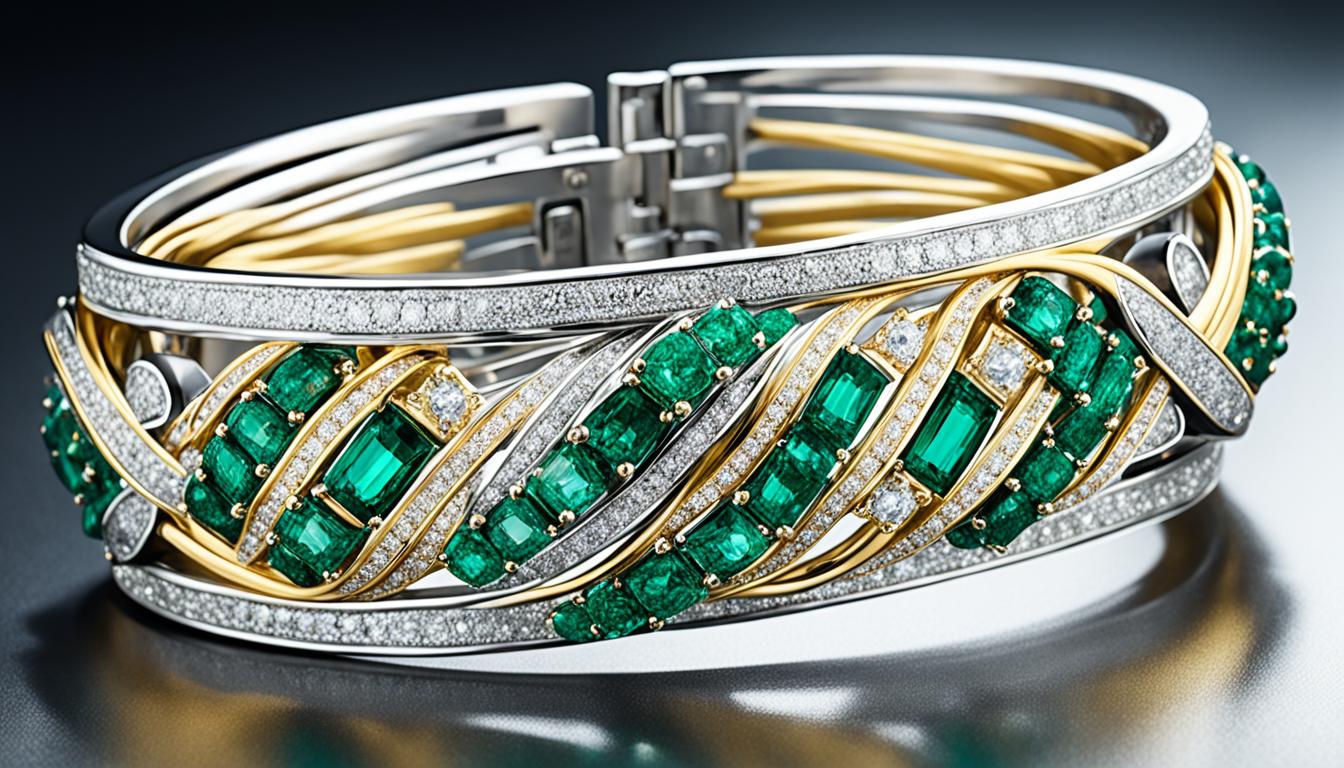
Precious metals, such as gold, silver, platinum, palladium, rhodium, iridium, and ruthenium, have diverse and valuable uses in various industries and applications. From jewelry and ornamentation to industrial and technological uses, these metals play a vital role in enhancing modern life.
In the world of jewelry and ornamentation, gold is highly sought after for its timeless beauty and durability. It is used in the creation of stunning pieces that capture the essence of elegance and sophistication. Silver, on the other hand, offers a more affordable option without compromising on style and elegance.
When it comes to industrial and technological applications, precious metals truly shine. Gold and silver, known for their excellent electrical conductivity, are extensively used in the electronics industry. They can be found in smartphones, computers, and other electronic devices, ensuring the smooth flow of electricity.
Platinum and palladium, with their exceptional resistance to corrosion and high melting points, have become essential in various industrial processes. They are used in the production of catalytic converters for automotive emissions control, as well as in chemical and petroleum refining.
Furthermore, precious metals play a crucial role in the medical field. Gold, for instance, is used in dentistry for its biocompatibility and durability, making it a popular choice for crowns, bridges, and other dental fixtures. Silver, known for its antimicrobial properties, finds applications in wound dressings and medical devices.
Whether it’s for their aesthetic appeal, industrial benefits, or medical applications, precious metals are undeniably valuable and versatile resources. Their unique properties and irreplaceable qualities make them an indispensable part of our modern world. Considering an investment in these timeless assets? Exploring the benefits of gold coins might just be the perfect way to add stability and value to your portfolio.”
Overview of Precious Metals
Precious metals are rare and chemically inert elements that hold significant value due to their scarcity and unique properties. These metals, including gold, silver, platinum, and palladium, are highly sought after for their various applications in different industries and fields. In addition to these primary precious metals, there are other lesser-known but equally important ones, such as rhodium, iridium, and ruthenium.
Types of Precious Metals
Gold: Gold is one of the most well-known and highly valued precious metals. Its beautiful yellow color, malleability, and resistance to tarnish make it a popular choice for jewelry and ornaments. Gold is also used in various industrial applications, including electronics and telecommunications.
Silver: Silver, known for its lustrous white color, is another versatile precious metal. It is valued for its conductivity, making it essential in electrical and thermal applications. Silver is widely used in the production of jewelry, coins, silverware, and various industrial products.
Platinum: Platinum is a dense, grayish-white metal that is highly resistant to corrosion. It is prized for its durability and rarity, often being used in fine jewelry and luxury watches. Platinum also has industrial uses in catalytic converters, fuel cells, and various chemical processes.
Palladium: Palladium, similar in appearance to platinum, is valued for its excellent catalytic properties. It is commonly used in the automotive industry for catalytic converters and in hydrogen fuel cells. Palladium is also used in making jewelry and electronics.
Rhodium, Iridium, and Ruthenium: These lesser-known precious metals are also of great importance. Rhodium is used in catalytic converters, electroplating, and the production of high-quality mirrors. Iridium finds its application in spark plugs, crucibles, and specialized electrical contacts. Ruthenium is primarily used in the production of electrical contacts, as well as in the synthesis of organic compounds.
Understanding the different types of precious metals and their unique characteristics is crucial to unlocking their full potential in various industries and applications. From jewelry to electronics and industrial processes, these metals play a vital role in enhancing our daily lives.
Industrial and Technological Uses
Precious metals are highly valued for their unique properties and find extensive applications in various industrial and technological sectors. Let’s explore how these metals play a crucial role in advancing technology and innovation across different industries.
In Electronics
In the field of electronics, gold and silver are indispensable for their excellent conductivity. These precious metals are widely used in electronic components and circuitry, enabling the flow of electricity in devices ranging from cell phones and computers to advanced electronic systems. Their exceptional electrical properties make them essential for efficient and reliable electronic performance.
In Medicine and Dentistry
Gold and silver also have significant applications in the medical and dental fields. Gold, known for its biocompatibility and resistance to corrosion, is used in orthodontic fixtures, dental crowns, and radiation treatments. Silver, with its antimicrobial properties, is used in antibiotic medicines, wound dressings, and medical imaging technologies. The unique properties of these precious metals contribute to various medical advancements and treatment modalities.
In Aerospace and Automotive
Precious metals play a vital role in the aerospace and automotive industries, where their exceptional properties are highly valued. These metals are utilized for their heat resistance, catalytic properties, and ability to withstand extreme conditions. In aerospace, they are used for aircraft engines, turbine blades, and heat shields, enhancing safety and efficiency. In the automotive sector, precious metals are used in catalytic converters to reduce emissions and improve fuel efficiency, contributing to a greener and more sustainable future.
Investment and Economic Value
Precious metals have long been recognized as a lucrative investment option. Many investors consider them a reliable hedge against inflation and a safe store of value. The economic value of precious metals is influenced by various factors, including the dynamics of supply and demand, market trends, and investor sentiment. Understanding the role of precious metals in investment and analyzing market trends can provide valuable insights for investors looking to diversify their portfolios or capitalize on potential opportunities.
Precious Metals in Investment
Investing in precious metals offers a unique opportunity to diversify a portfolio. Gold, silver, platinum, and other precious metals have historically shown resilience during times of economic uncertainty. Their tangible nature and global recognition make them a reliable store of value. Many investors choose to include precious metals in their investment strategy to mitigate risks and protect their wealth.
Market Trends and Analysis
Monitoring market trends and analyzing market data is essential for making informed investment decisions in the precious metals sector. Understanding market dynamics, such as the factors driving price fluctuations and changes in demand, can help investors anticipate potential opportunities and risks. Market analysis tools and research reports provide valuable insights into market trends, enabling investors to make well-informed investment choices.
Jewelry and Ornamentation
Precious metals have been used in the creation of jewelry and ornamentation for centuries. These metals, such as gold, silver, platinum, and palladium, not only hold significant value but also possess unique properties that make them ideal for adorning and enhancing various forms of personal adornment.
Gold and Silver in Jewelry
Gold and silver are particularly popular choices for jewelry due to their durability, luster, and resistance to tarnishing. Gold jewelry, known for its timeless beauty, is available in a variety of shades, including yellow, white, and rose gold. Silver jewelry, on the other hand, offers a sleek and elegant look, often complemented by intricate detailing and gemstone embellishments.

The versatility of gold and silver allows for a wide range of jewelry designs, from delicate and minimalist pieces to bold and statement-making accessories. Whether it’s a simple gold necklace, a pair of silver earrings, or a stackable assortment of gold and silver rings, these metals add sophistication and luxury to any ensemble.
Platinum and Palladium Uses
In addition to gold and silver, platinum and palladium have gained prominence in the jewelry industry. Platinum, known for its rarity and strength, is often used to create engagement rings and wedding bands due to its durability and white lustrous appearance. Palladium, a member of the platinum family, offers similar properties and is a popular choice for bridal jewelry as well.
Both platinum and palladium are highly resistant to tarnishing and provide a distinctive, contemporary look. Their natural white color complements a variety of gemstones and enhances the brilliance of diamonds, making them an excellent choice for high-end jewelry pieces.
Whether it’s a captivating gold pendant, an intricately designed silver bracelet, a stunning platinum engagement ring, or a sleek palladium necklace, the use of precious metals in jewelry adds a touch of elegance and permanence to personal style.
Precious Metals in Culture and Art
Precious metals have held a significant historical and cultural significance in various societies. Throughout the ages, these metals have played a crucial role in shaping art and culture. They have been esteemed as symbols of wealth, power, and beauty. From ancient artifacts to modern artistic creations, precious metals continue to inspire artists and craftsmen.
Historical and Cultural Significance
The historical and cultural significance of precious metals is deeply rooted in human civilization. These metals have been revered for their rarity, beauty, and durability. In ancient times, gold was considered the embodiment of the sun and the gods. It was used to create elaborate jewelry, burial masks, and ceremonial objects. Silver, with its shimmering luster, was associated with the moon and was used for adornments and silverware.
Precious metals also played a vital role in religious and ceremonial practices. They were used to create intricate religious artifacts, such as statues, amulets, and sacred vessels. These objects were believed to possess spiritual power and were used in rituals and worship.
Across different cultures, precious metals have been used to showcase social status and power. Kings, queens, and nobles adorned themselves with lavish jewelry and crowns crafted from precious metals to signify their authority and wealth. These intricate creations showcased the craftsmanship and artistic expertise of the time.
Modern Artistic Applications
The influence of precious metals on art continues to thrive in contemporary times. Artists and designers incorporate precious metals into their works to create stunning visual effects and add value to their pieces. The versatility of precious metals allows artists to explore various artistic techniques and experiment with different forms and styles.
Modern artists use precious metals such as gold, silver, and platinum for their inherent beauty and luster. They can be employed to enhance paintings, sculptures, jewelry, and other art forms. The reflective properties of these metals add depth and radiance to artworks, creating a captivating visual experience for viewers.
Precious metals also find applications in mixed media art, where they are combined with other materials to create unique textures and effects. These metals can be shaped, polished, or patinated to achieve specific artistic visions, making them an invaluable medium for artistic expression.
Additionally, precious metals have become a symbol of contemporary art movements that challenge traditional notions of art. Artists utilize precious metals as a statement against established norms, leveraging their historical significance to convey social, political, and cultural commentary.
Overall, precious metals have left an indelible mark on the culture and art of humanity. Their historical significance and cultural value have shaped various aspects of society, while their modern artistic applications continue to inspire and captivate audiences. Whether as symbols of wealth or mediums for artistic expression, precious metals possess a timeless allure that transcends time and space.
Sustainability and Ethical Sourcing
In today’s world, sustainability and ethical sourcing have become crucial considerations in the mining industry and the use of precious metals. As the demand for these metals continues to grow, it is important to ensure that their extraction and production processes align with responsible environmental management and fair labor practices.
Ethical Mining Practices
Ethical mining practices are at the heart of sustainable precious metal sourcing. Companies are increasingly adopting practices that prioritize the well-being of the environment and surrounding communities. This includes implementing measures to minimize water and air pollution, reclaiming and rehabilitating land after mining operations, and promoting the health and safety of workers.
Recycling and Reuse
Another important aspect of sustainability in the precious metals industry is the recycling and reuse of these valuable materials. Recycling precious metals helps to reduce the need for new mining, conserving resources and minimizing environmental impact. By reusing these metals instead of extracting new ones, we can contribute to a more circular economy and reduce our reliance on finite resources.
The process of recycling precious metals involves refining and purifying them to ensure their quality and suitability for reuse. This not only helps to reduce mining waste but also saves energy and reduces greenhouse gas emissions associated with the extraction and processing of new metals.
By exploring sustainable practices and ethical sourcing in the precious metals industry, we can ensure that these valuable resources are extracted and used responsibly. It is our collective responsibility to choose products and support companies that prioritize sustainability, ethical practices, and the well-being of both people and the planet.


Leave a Reply